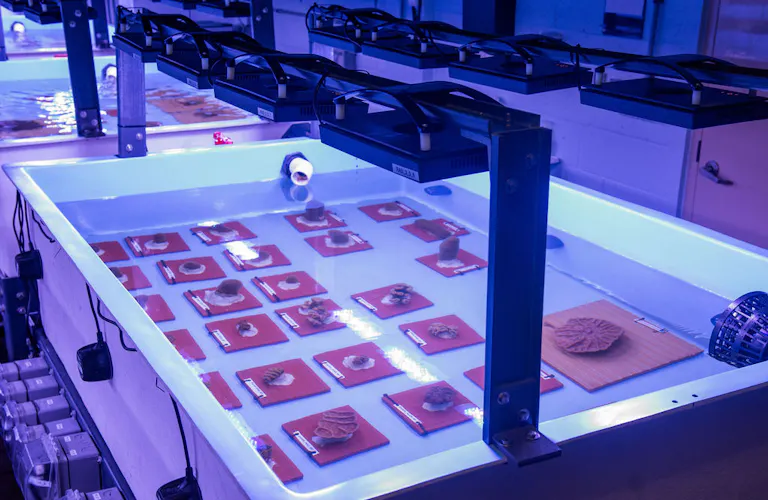
In coral conservation, every reef starts with a foundation. For the Living Coral Gene Bank, that foundation is live rock: nature's own blueprint for a thriving underwater ecosystem.
Live rock is more than just pieces of calcium carbonate. Each rock carries a hidden world of beneficial bacteria, tiny invertebrates, and vibrant coralline algae that work together to create a healthy reef environment. But collecting live rock is not just about stacking stones. It requires carefully selecting the right pieces to foster life while ensuring we do not disturb the delicate balance of natural reefs. Sustainable sourcing is key, allowing us to build a future for corals without harming the wild ecosystems we aim to protect.
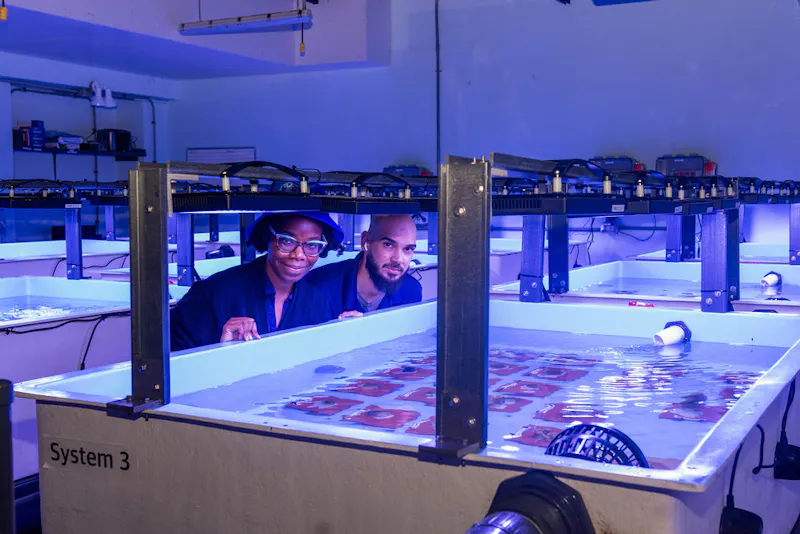
When we introduce live rock into the gene bank, we are not just adding structure. We are igniting a chain reaction of life. The porous surfaces provide shelter for microscopic organisms that help filter water, cycle nutrients, and create the conditions corals need to flourish. The Perry Institute for Marine Science has long recognized the importance of this biological foundation in their reef restoration work. Like the bedrock of an ancient city, these rocks tell a story of resilience and regeneration, setting the stage for endangered corals to recover and thrive.

By blending ethical collection practices with aquacultured alternatives, we ensure that our conservation efforts are both impactful and responsible. In the end, live rock is not just the foundation of our coral gene bank. It is the heartbeat of a living, evolving reef, carrying the pulse of the ocean into the future.