
Coral reefs are under siege from climate change, pollution, and disease, making conservation efforts more urgent than ever. At the Coral Gene Bank managed by the Perry Institute for Marine Science, our mission is to safeguard coral biodiversity by preserving living genetic samples. While we hope to implement advanced technologies like cryopreservation and coral propagation in the future, our current focus is maintaining healthy coral fragments in holding tanks to ensure their survival.
Cryopreservation: Freezing the Future
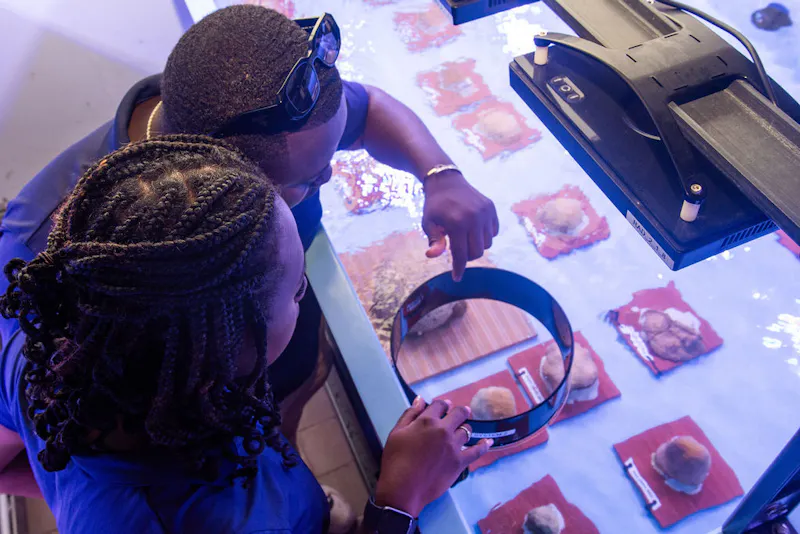
Cryopreservation is a highly specialized technique that uses cryoprotectants on coral gametes and larvae before storing them in liquid nitrogen at -196°C. This process prevents ice crystal formation, ensuring the long-term viability of coral genetic material. Once implemented, this method could help us create genetic reservoirs that may be used for selective breeding and assisted evolution to enhance climate resilience. Research led by institutions such as the Smithsonian Conservation Biology Institute has already demonstrated promising results in freezing and reviving coral larvae, bringing this technology closer to large-scale application (Hagedorn et al., 2012).
Coral Propagation: Growing Hope
Coral propagation is essential for restoring reef ecosystems and comes in two forms.
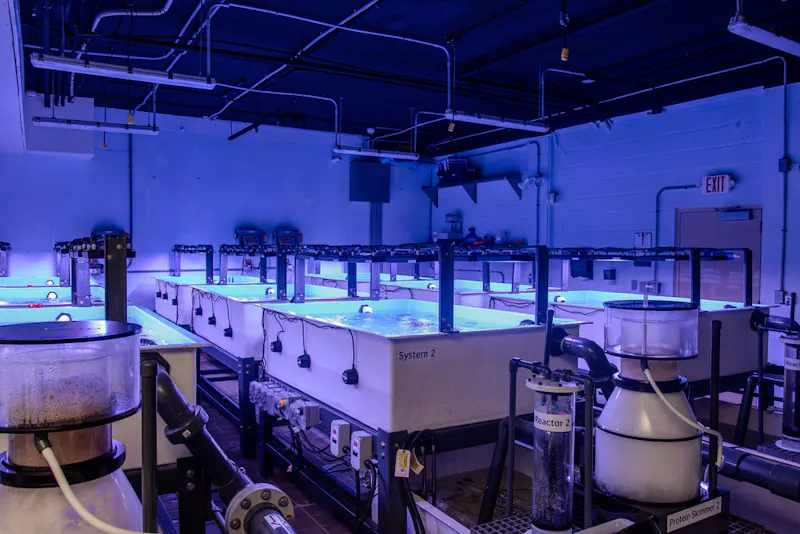
Asexual propagation, or fragmentation, accelerates coral growth by allowing small fragments to regenerate into independent colonies. This approach is highly effective for fast-growing species like Acropora (staghorn and elkhorn corals) and forms the backbone of many reef restoration programs throughout the Caribbean.
Sexual propagation, though more complex, is critical for maintaining genetic diversity. By collecting and fertilizing coral spawn, scientists can produce offspring with a wider range of genetic traits, building populations better equipped to withstand environmental stressors. Recent research has even shown that corals affected by Stony Coral Tissue Loss Disease can still produce viable offspring through assisted sexual reproduction (Villanueva-Solís et al., 2023), offering additional hope for the recovery of affected species.
