Flow Matters: Recreating Ocean Currents in a Closed System
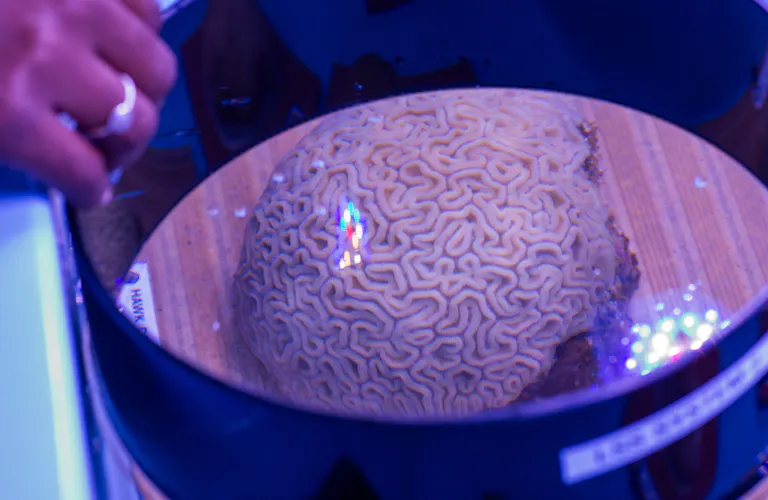
One of the first things you notice when you bring a coral in from the reef is how different still water feels. Out on a Bahamian reef, nothing is static. Currents shift, surge, and pulse constantly, delivering oxygen, food, and a steady removal of waste through forced convection across the coral's surface. In a closed system, that natural movement disappears, and it's on us to rebuild it from scratch. At the Bahamas Coral Gene Bank, flow isn't just about turning on pumps, it's about designing an environment that corals recognize. Too little flow and you'll see tissue stress, sediment settling, and poor gas exchange across the diffusive boundary layer that sits directly against the coral surface. Too much, and you risk damaging delicate structures or preventing proper feeding. Finding that balance is where experience meets constant adjustment, especially when working with sensitive species already impacted by Stony Coral Tissue Loss Disease, a disease that has spread to all major Bahamian islands and now affects at least 25 species of reef-building corals across the region.
We approach flow as something dynamic, not fixed. Different species demand different conditions. Pillar corals can tolerate and even benefit from stronger, more turbulent flow, while more complex or fragile morphologies require a gentler, more variable pattern, in line with research showing that water flow modulates oxygen transport, photosynthesis, and respiration in corals. We use a combination of directional pumps, tailored flow intensities, and strategic placement to create movement that mimics the reef as closely as possible. But even with all the equipment, nothing replaces observation. Polyp extension, mucus production, and subtle changes in tissue all tell you whether you're getting it right. Recreating ocean currents in a closed system is never perfect, but when the flow is right, you can see it. Corals settle in, extend fully, and start behaving less like survivors and more like reef builders again, ready for the light, spawning, and long-term care that follow. Flow is one piece of the gene bank's daily rhythm, alongside the collection and quarantine work we cover in Salt, Science, and Survival, and all of it is supported by the Atlantis Blue Project Foundation and operated by the Perry Institute for Marine Science at the biosecure Bahamas Coral Gene Bank facility.